
11.15.2014


10.30.2013


8.17.2013
book cover 08.2013

I am honored to have my artwork on the cover of Rick Benjamin's Floating World (Wolf Ridge Press, SF).
If you buy it directly from Rick you can be assured that a portion of the proceeds will go to support a variety of local & international community efforts. Please log in to rickbenjamin.org & buy the book. It's $16 plus $3 for shipping & handling. Pass the word!
2.02.2013
"APH•O•RISMS" Group Art Exhibit
Saturday, February 23, 2013
through Saturday, March 16, 2013

What Were They Like? 2 ½” x 16 ½” mixed medium on plywood
“APH•O•RISMS,” a group exhibition of ten local women artists opens on Saturday, 2.23.2013 with a reception from 2 – 4 p.m. curated by Alliance Gallery director Rocky Pinciotti.
“Occasionally as I look through gallery entries, a common thread connecting artists and their work will appear,” says Pinciotti, who compiled the work in this show from submissions to the 2013 Alliance Gallery season. “The common thread this year was women whose work made strong and artistic statements with a minimal and concise artistic vocabulary.”
The ten artists in the exhibition include Phyllis Bilick, Miriam Hernandez, Ellen Kantro, Jessica Kinney, Hisako Kobayashi, Marjorie Morrow, Tiffanie Morrow, Lisa Strier, Ellen Wilkinson, and Mary Grace Yanashot.
Alliance Gallery/Delaware Arts Center: 37 Main Street, Narrowsburg, NY.
Tuesday- Saturday from 10 a.m. to 4 p.m. (845) 252-7576
www.ArtsAllianceSite.org.

What Were They Like? 2 ½” x 16 ½” mixed medium on plywood
“APH•O•RISMS,” a group exhibition of ten local women artists opens on Saturday, 2.23.2013 with a reception from 2 – 4 p.m. curated by Alliance Gallery director Rocky Pinciotti.
“Occasionally as I look through gallery entries, a common thread connecting artists and their work will appear,” says Pinciotti, who compiled the work in this show from submissions to the 2013 Alliance Gallery season. “The common thread this year was women whose work made strong and artistic statements with a minimal and concise artistic vocabulary.”
The ten artists in the exhibition include Phyllis Bilick, Miriam Hernandez, Ellen Kantro, Jessica Kinney, Hisako Kobayashi, Marjorie Morrow, Tiffanie Morrow, Lisa Strier, Ellen Wilkinson, and Mary Grace Yanashot.
Alliance Gallery/Delaware Arts Center: 37 Main Street, Narrowsburg, NY.
Tuesday- Saturday from 10 a.m. to 4 p.m. (845) 252-7576
www.ArtsAllianceSite.org.
1.30.2013
Meanwhile, They Were Happy

Digital Image-open edition-inkjet print on onionskin paper on luan-14"w x 15.5"h
at The Alliance Gallery $75
1.11.2013

11.12.2012
2012 Art in the Sixes 11.17-12.22

Paralipsis* I & II
I Hypertufa bowl w/artificial bougainvillea petals $50 Alliance Gallery
II Vaginalyd pins $5 Signature Gifts Shop
DVAA
37 Main Street + Narrowsburg, NY + 845/252-7576
www.ArtsAllianceSite.org
*Paralipsis: a rhetorical device to call attention to something by specifically saying that you will not mention it.
10.05.2012


11.03.2011
2011 Art in the Sixes Show 11.19-12.21
Update: all four SOLD at the 11.19 opening!!!


Open Edition digital photos inkjet printed on 8.5" x 11" onion skin paper glued to 5" x 5" x 1/2" plywood...submitted to the Alliance Gallery for the Art in the Sixes show-- $40 ea
8.19.2011


7.31.2011


7.30.2011
For A Long Time, The Body was Nowhere

How do we understand each other? In response to this article from the NY Times: http://www.nytimes.com/2011/07/31/world/asia/31herat.html?_r=1
7.25.2011


7.11.2011

a new project begins: Community Artifacts


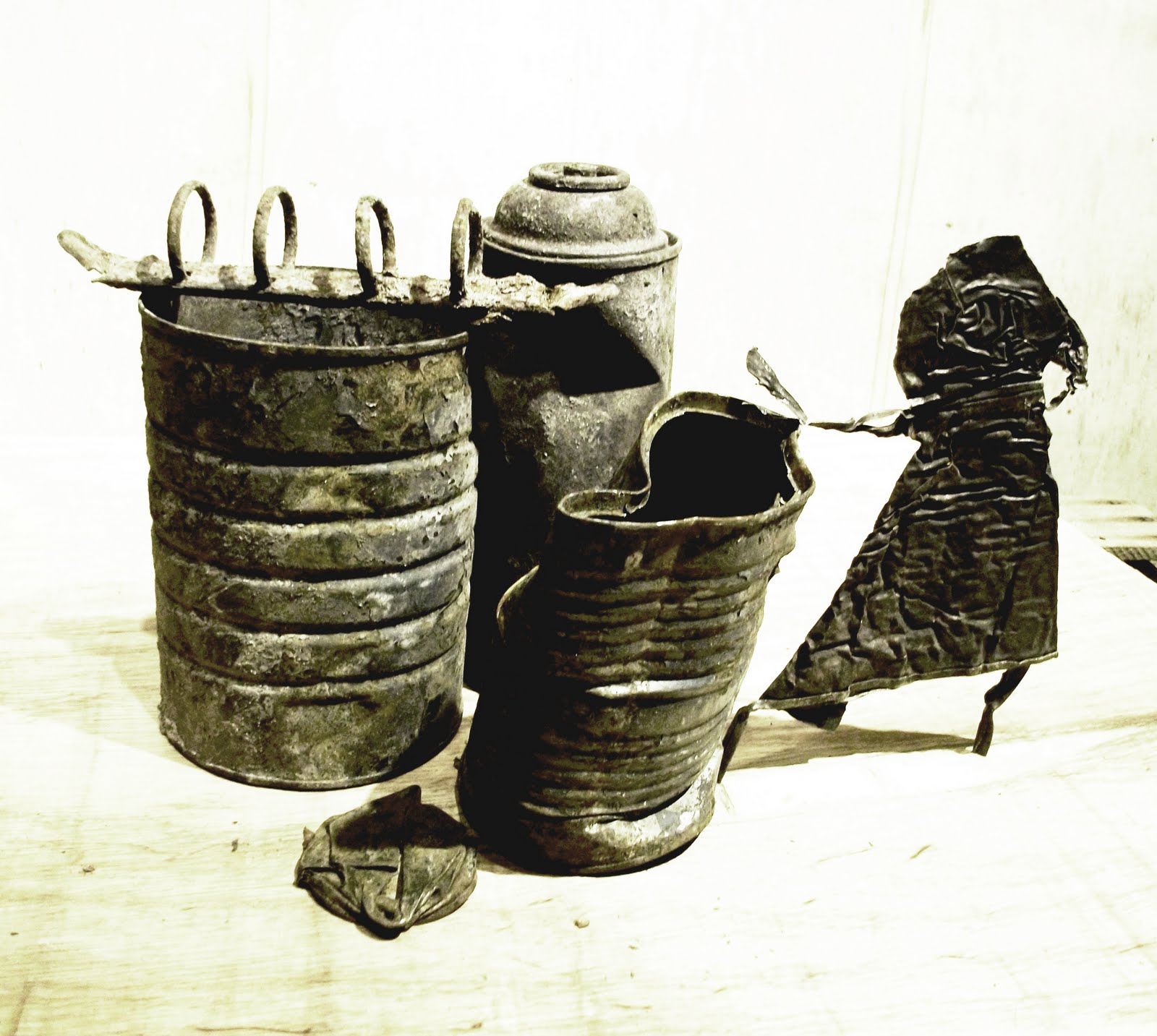
making new friends...figures are approx 6"-8" from 'aged' tin cans
7.10.2011


"Forever, Perched In The Same Position"

Inkjet print on onionskin paper, pastel, charcoal, ink on luan. 26"x26" roughly
7.09.2011
Mirror Cells

Does It Mean To “Die of Natural Causes?”
digital image
digital image
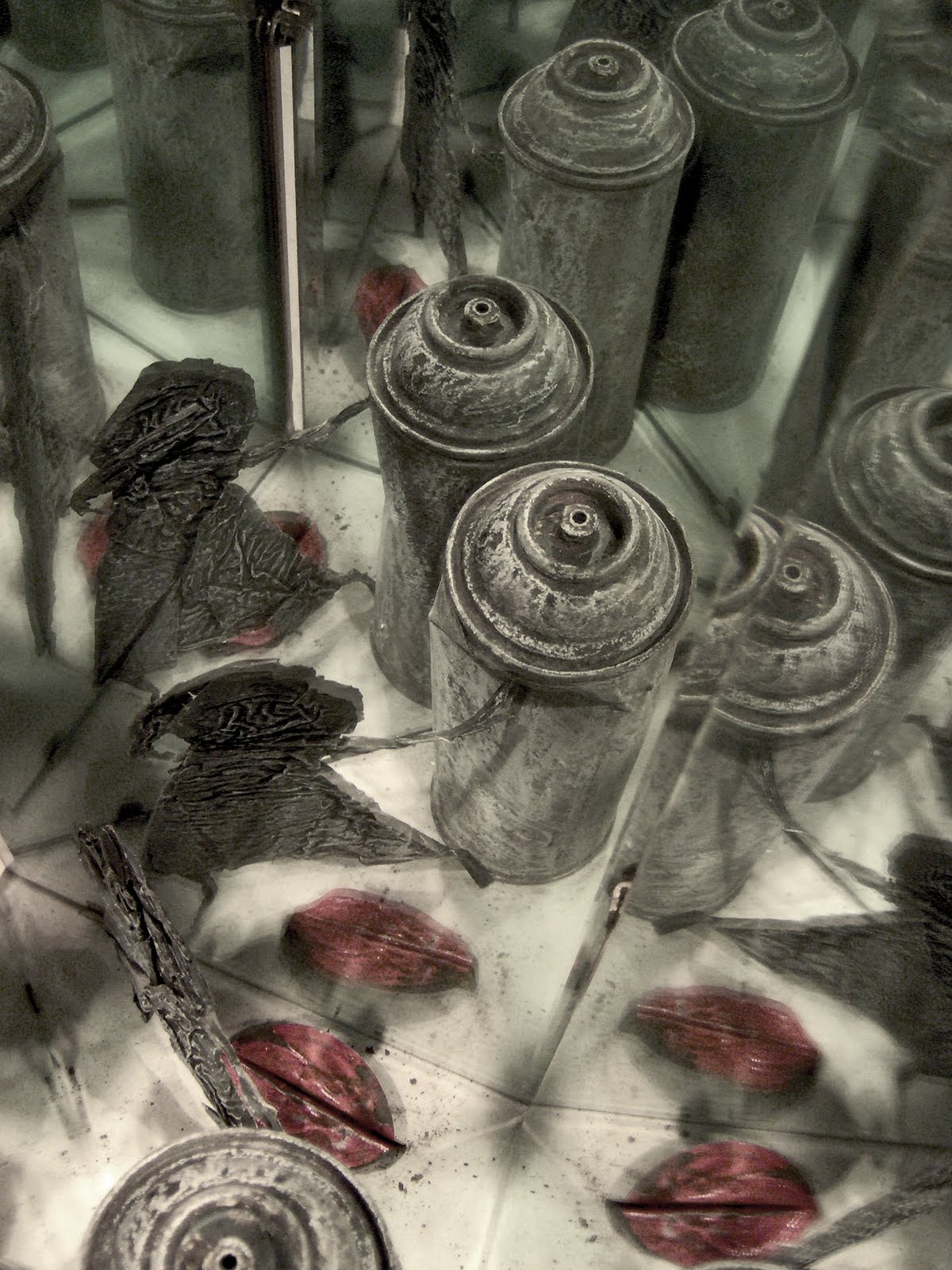
"One Big Debate Being Argued On Multiple Fronts"
digital image
digital image

"We Don't All Want The Same Things"
digital image
digital image
7.08.2011
7.07.2011



Subscribe to:
Posts (Atom)